
Key Takeaways
Natural gas CFDs offer price exposure without physical ownership, but their costs and risks depend on the contract and provider. A careful plan starts with understanding the benchmark, trading terms and the possibility of rapid price changes.
- A CFD tracks price movements without requiring you to own or store natural gas.
- Benchmark, weather, storage and supply news can all influence gas prices.
- Confirm a provider’s Australian credentials and read the contract terms before trading.
- Match position size and holding period to your risk limits and the product’s costs.
- Practise a defined approach and keep records rather than reacting to every market move.
How natural gas CFDs work for Australian traders
Natural gas CFD trading Australia involves taking a position on price movements through a contract with a provider, rather than buying the commodity itself. The contract’s terms determine how prices are quoted, how much exposure each trade creates and what charges may apply. Those details matter as much as your view of the market, especially when prices are moving quickly.
What a CFD tracks and how price exposure works
A contract for difference (CFD) is a financial derivative that lets a trader take exposure to changes in an underlying market price. For a natural gas CFD, the provider sets the contract specifications and its quoted price may be based on a gas benchmark or related futures market. Your profit or loss generally reflects the price change multiplied by the position size, subject to fees and contract terms. Know what sets the quote before deciding what a price movement means for your trade.
Going long or short without owning natural gas
A long position is designed to gain value if the quoted price rises; a short position is designed to gain value if it falls. Neither position gives you ownership of gas or a claim on a physical delivery. The result depends on the price movement in the direction of your position, as well as the applicable costs. A correct market view can still lose money if the move is small, mistimed or outweighed by charges.
How margin and leverage affect position size
CFDs are commonly traded on margin: you deposit a portion of the position’s value rather than paying its full notional amount upfront. This can make a relatively small price change have a large effect on the funds in your account. Leverage magnifies losses as well as gains, and a margin requirement can change under the provider’s rules. Work out the potential loss on the full position, not just the amount initially set aside as margin.
Why a CFD price may differ from a futures quote
A provider’s CFD quote does not have to match a futures exchange quote tick for tick. The CFD may reflect a different contract month, pricing method, spread or adjustment, and market prices can also move between quote updates. Compare like with like: check the relevant benchmark, contract period and timestamp rather than assuming two screens show the same instrument. This distinction is especially useful when reviewing older prices or market history; historical natural gas price data can add context, but it does not replace checking the live contract terms.
Choose a benchmark and understand what moves prices
Natural gas is not priced as one uniform global market. Regional benchmarks reflect different supply networks, infrastructure constraints and patterns of demand, so a move in one region may not translate directly to another. Before forming a view, identify which benchmark your CFD follows and what information is most relevant to it.
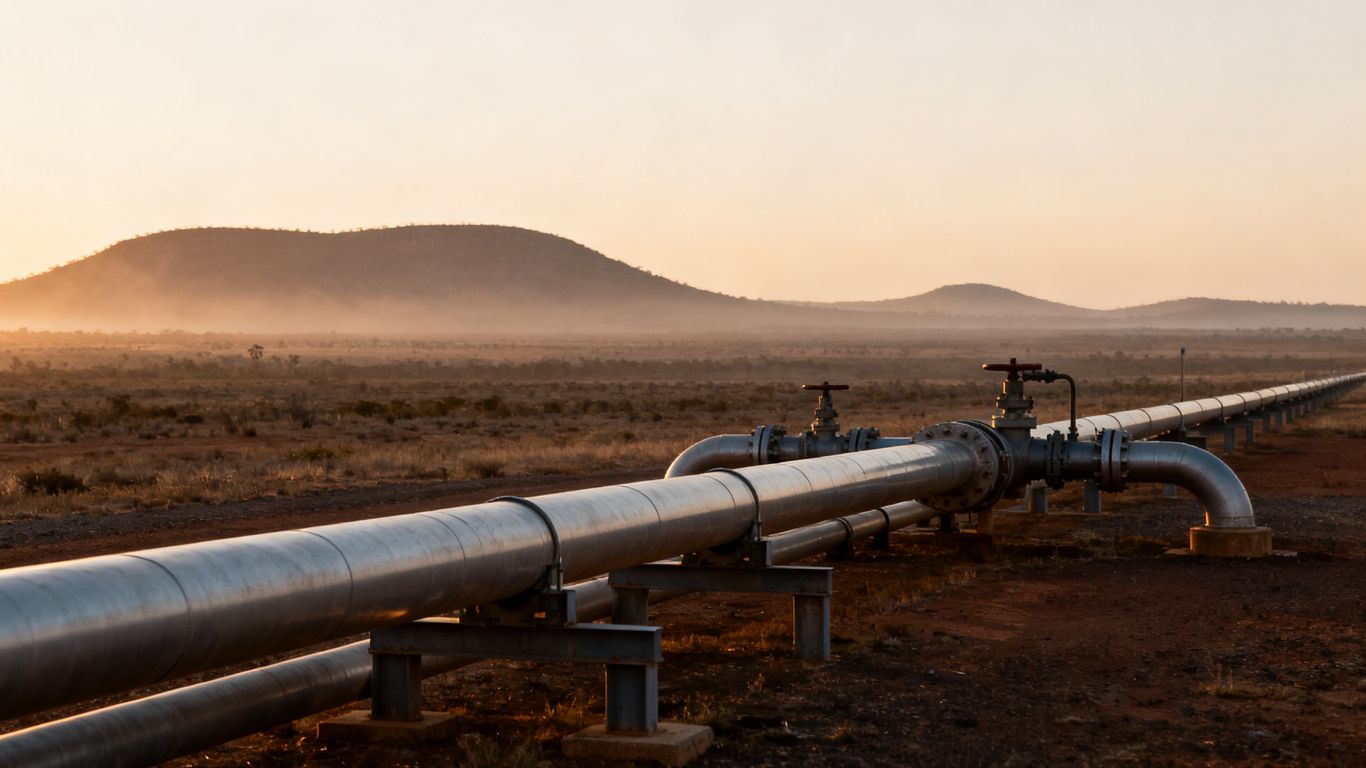
Henry Hub, European gas and Asian LNG benchmarks
Henry Hub is a key US gas benchmark, while European prices reflect a market connected to regional pipelines and imported supply. Asian LNG prices relate to liquefied natural gas delivered into Asian markets. These prices can move in different directions because transport capacity, local inventories and competing sources of supply vary by region. A CFD referencing one benchmark should not be treated as a direct proxy for every other gas market.
Weather, storage levels and seasonal demand
Cold spells can lift heating demand, while very hot weather may increase gas use for electricity generation in some markets. Storage levels provide another important clue: inventories that are low relative to seasonal expectations can make supply disruptions more consequential. It helps to compare the latest figures with the time of year and the market’s expectations, rather than reading a single number in isolation. Regularly updated historical price data can help place current moves alongside past trends, though historical patterns do not predict future prices.
Production, pipeline disruptions and geopolitical events
Changes in production, maintenance, transport capacity or exports can alter the amount of gas available to a region. An outage or disruption may matter most when spare supply is limited; the same event can have a smaller effect when alternatives are readily available. Geopolitical developments can affect supply expectations, but headlines do not always translate into lasting price changes. Traders can focus on whether an event changes actual or expected flows, and for how long.
How oil prices and currency movements can influence Australian traders
Gas and oil prices may sometimes respond to shared forces, such as broad energy demand, but their markets have distinct supply and demand drivers. Currency movements also matter for Australian traders if a CFD is quoted in a foreign currency: the Australian-dollar value of a gain, loss or charge may change as exchange rates move. Check the contract’s quote currency and any conversion method before calculating your exposure. Treat currency effects as an additional risk rather than assuming they will offset a gas-price move.
Check broker regulation and product specifications
The contract you trade is shaped by the provider’s terms, not only by the underlying gas market. Australian traders should verify the provider’s regulatory status and read the relevant product disclosure information before opening an account. Then check the practical details—contract size, trading hours, expiry and margin—so you know how an order behaves in ordinary and stressed markets.
Verify the provider’s Australian financial services credentials
Check the provider’s Australian financial services credentials using official records, and confirm that the entity you intend to trade with is the one covered by those details. Read the current disclosure documents and understand the product’s risks, fees and complaint processes. A familiar trading name alone is not proof that a particular entity is authorised to provide a particular service. If anything is unclear, seek independent guidance before depositing funds.
Read the contract size, trading hours and minimum trade requirements
A CFD’s contract size tells you how much price exposure each unit creates, while minimum trade sizes set a practical limit on how small a position can be. Trading hours matter too: a market may pause or have reduced liquidity at certain times, and the provider’s dealing hours may differ from a futures exchange schedule. Check how prices are quoted and whether the contract uses a fixed size or another unit. Those specifications let you calculate exposure before you place an order.
Understand expiry dates, futures rollovers and overnight financing
Some gas CFDs have an expiry date; others may be based on a series of futures contracts and adjusted when one contract period gives way to another. The provider’s terms explain whether a position closes, rolls or receives a price adjustment. Overnight financing may also apply when a position stays open beyond the provider’s daily cut-off. Read the dates and adjustment method in advance, since holding a trade through a rollover can affect its result even if the market price appears little changed.
Check the broker’s margin rules and negative balance protections
Margin rules describe the funds required to open and maintain a position, and providers may set different requirements for different contracts or market conditions. Understand what may trigger a margin close-out and whether the provider can change requirements. Check the terms for any negative balance protection and the circumstances in which it applies; do not assume it removes the risk of losing money in your account. A clear view of these rules helps you avoid relying on a best-case scenario.
Plan when and how to trade
Gas prices can move while Australian traders are asleep, at work or away from their screens. A practical plan accounts for time-zone differences, scheduled releases and the possibility that a market move happens outside your preferred trading hours. That does not mean every announcement needs a trade; it means you can decide beforehand when to watch and when to stand aside.

Match Australian time zones with global market sessions
The most active trading periods for a benchmark may fall outside standard Australian business hours, and daylight-saving changes can shift the local time of overseas sessions. Check the CFD provider’s trading schedule and compare it with the market or exchange underlying its price. A position left open overnight can encounter fresh news or a thin market before you can respond. Choose trading hours that fit your routine and ability to monitor risk.
Track scheduled inventory reports and other market announcements
Inventory releases, economic data, weather updates and operational news can affect expectations for supply and demand. A simple calendar can help separate scheduled events from unplanned developments. Before a report, decide whether you will avoid new positions, reduce exposure or accept the possibility of a sharp move. Useful preparation includes keeping an eye on:
- Inventory reports relevant to the benchmark you trade.
- Weather forecasts that may shift heating or power demand.
- Planned maintenance, pipeline news and changes to production.
- Major policy or geopolitical announcements that could affect supply.
A calendar does not predict the market’s reaction; it helps you avoid being surprised by the timing of an event. Also consider whether the market has already priced in the expected result.
Use charts and fundamental news together
A chart can help you identify price levels, recent volatility and the structure of a move. Fundamental news offers a different perspective, showing what may be changing in supply, demand or market expectations. Neither source guarantees a useful signal on its own. If the chart suggests a breakout but there is no clear change in market conditions, consider what would confirm or invalidate your view before acting.
Consider liquidity and volatility around key events
Volatility can increase around news, and the price available when an order is filled may differ from the price you saw moments earlier. In a less liquid market, the spread can widen and a stop order may execute at a less favourable price than expected. Think about whether the position is small enough to withstand that uncertainty. If it is not, waiting for conditions to settle can be a valid trading decision.
Build a natural gas CFD trading approach
An approach is more useful when it describes what would make you enter, what would make you leave and what could prove your view wrong. Natural gas prices can react sharply to changing forecasts and supply news, so a vague sense that prices “should” rise is not much of a plan. Write down a setup in plain language and keep it narrow enough to test.
Define a trade setup, entry and exit before placing an order
A setup might combine a price condition with a market reason, such as a move through a level after a supply update. Decide what price or event would prompt an entry, where the trade thesis would no longer hold and how you will manage the position. The exit should not depend on hoping that a losing trade turns around. A written plan also makes it easier to review whether the idea worked as expected.
Choose between short-term trading and longer holding periods
Shorter-term trades may depend more on immediate price behaviour and can involve frequent decisions. Longer holding periods expose a position to more reports, weather changes, financing charges and possible contract adjustments. Neither timeframe is automatically better; the choice depends on the setup, costs and time available to monitor the trade. Match the expected duration to the contract’s expiry and funding terms.
Use stop-loss and take-profit orders with a clear rationale
A stop-loss can help define where you intend to exit if the market moves against you, while a take-profit order can set a planned exit after a favourable move. Neither order guarantees a particular execution price in all market conditions, and a stop can be filled beyond its trigger during a fast move or gap. Set levels based on the trade’s logic and the amount you can afford to risk. Avoid moving an exit simply to postpone accepting a loss.
Test a strategy in a demo account before risking capital
A demo account can help you practise placing orders and see whether your rules are clear enough to follow. It cannot fully reproduce the emotions of trading real money, and demo fills may not reflect the exact conditions of a live account. Use the practice period to check how the strategy behaves across different price conditions and to learn the contract interface. If the rules are inconsistent in simulation, refine them before committing funds.
Manage costs, leverage and downside risk
A trade’s outcome depends on more than the market’s direction. Spreads, commissions, funding, currency conversion and rollover adjustments can all affect the net result, while leverage can make losses accumulate quickly. Keep those factors in view from the start, not as an afterthought once a position is open.
Compare spreads, commissions and currency conversion charges
The spread is the difference between the buy and sell quotes, and it can vary with market conditions. Check whether a separate commission applies and how a foreign-currency balance or transaction is converted into Australian dollars. Compare the relevant costs for the size and expected duration of your trade rather than relying on a single headline figure. Small charges can matter more when you trade frequently or hold a position for an extended period.
Account for overnight funding and contract rollover costs
If a position remains open overnight, the provider may apply financing charges under the stated schedule. A futures-based CFD may also undergo a rollover or adjustment when the underlying contract period changes. Read how these amounts are calculated and when they are applied. For a longer holding period, estimate the likely charges in advance and consider whether the trade still makes sense after them.
Limit exposure with position sizing and a maximum risk budget
Position size should follow the amount you are prepared to lose, not the maximum size a provider will allow you to open. A simple risk review considers the distance to the planned exit, the contract size and the possibility of slippage. Set a maximum loss for a single trade and a broader limit for a period of trading. If the appropriate position is too small to meet a minimum trade requirement, it may be safer not to place the trade.
Keep trade records and check how Australian tax rules may apply
Record the entry and exit, position size, costs, reason for the trade and any adjustments. These notes help you review decisions and provide a clearer picture of trading activity over time. Tax treatment depends on personal circumstances and applicable Australian rules, so do not assume every trader’s obligations are the same. Keep relevant records and consult a qualified tax professional about how the rules apply to you.
Conclusion
Natural gas CFDs can provide exposure to a fast-moving market without physical ownership, but they bring contract-specific costs and meaningful downside risk. Australian traders can make more informed decisions by checking the benchmark and provider terms, planning around relevant market events, and sizing each position within a clear risk budget. A measured approach will not remove uncertainty, but it can make that uncertainty easier to manage.
Frequently Asked Questions
What is a natural gas CFD?
A natural gas CFD is a financial contract that provides exposure to price movements in a specified gas market without requiring the trader to own or take delivery of the commodity. Its exact terms depend on the provider.
Can you trade natural gas CFDs from Australia?
Australian residents should check whether a provider is authorised to offer the relevant service and review the product disclosure documents. They should also confirm the contract’s trading hours, costs and risk terms before opening a position.
Can a natural gas CFD position be short?
Many CFDs allow a trader to take a position based on an expected fall in price, but the contract’s terms determine how this works. A short position can lose money if the price rises, and charges may apply while it remains open.
What moves natural gas prices?
Prices can respond to weather, seasonal demand, storage levels, production, transport disruptions and geopolitical developments. The relative importance of each factor depends on the region and benchmark involved.
What is the difference between a gas CFD and a futures contract?
A CFD is a contract with a provider, while a futures contract is a standardised exchange-traded instrument with its own specifications and expiry. A CFD quote may reference a futures market but need not match its price exactly.
Can leverage increase losses on a natural gas CFD?
Yes. Leverage means a price movement can have a large effect relative to the margin deposited, and losses can build quickly. Check the provider’s margin and close-out rules and size positions cautiously.
What costs should I check before trading?
Review the spread, any commission, overnight financing, currency conversion charges and possible rollover adjustments. The applicable costs depend on the contract and provider, so read the current terms before trading.