Thinking about trading Contracts for Difference (CFDs) on your phone in Australia? You’re not alone. Many people are curious if this is actually possible and how it all works. The good news is, yes, you absolutely can trade CFDs using your smartphone down under. It’s become a really common way for people to get involved in the markets. This guide will walk you through everything you need to know, from understanding the basics to actually making trades on the go. So, can I trade CFDs on a phone Australia? The answer is a big yes, and we’ll show you how.
Key Takeaways
-
Trading CFDs on a mobile phone in Australia is legal and quite common, with the market being regulated by ASIC.
-
CFDs allow you to speculate on price movements of assets like forex and commodities without owning the actual asset, and you can profit whether prices rise or fall.
-
Mobile trading apps offer features like placing orders, setting stop-losses, and managing your account, making trading accessible from anywhere.
-
Choosing a regulated broker with a user-friendly mobile platform and understanding margin and leverage are vital steps before you start.
-
Always start with a demo account to practice, be aware of the risks involved, and only trade with money you can afford to lose.
Understanding CFD Trading on Mobile Devices
So, you’re keen to trade Contracts for Difference (CFDs) right from your phone in Australia? It’s totally doable these days, and honestly, pretty convenient once you get the hang of it.
How CFDs Work in Australia
Basically, when you trade CFDs, you’re not actually buying the underlying asset, like a share of a company or a barrel of oil. Instead, you’re agreeing to exchange the difference in the asset’s price between when you open the trade and when you close it. This means you can potentially profit from price increases (going ‘long’) or decreases (going ‘short’) without ever owning the actual thing. It’s a bit like betting on the price movement. In Australia, trading CFDs is regulated, and there are specific rules brokers have to follow to keep things fair and safe for traders. You’ll find that most brokers will offer a wide range of markets you can trade on.
Types of CFDs You Can Trade on Your Phone
Pretty much anything with a fluctuating price can be traded as a CFD. This includes:
-
Forex: Major currency pairs like AUD/USD, EUR/USD, and USD/JPY.
-
Indices: Think the ASX 200, S&P 500, or the Dow Jones Industrial Average.
-
Shares: You can trade CFDs on shares from Australian companies (like BHP or CBA) and international ones too.
-
Commodities: Gold, oil, natural gas – you name it.
-
Cryptocurrencies: Some brokers also offer CFDs on popular digital currencies.
It’s a huge market, and having access to it all on your phone is pretty wild when you think about it.
Legal Considerations When Trading CFDs on Mobile
While trading on your phone is easy, there are some legal bits to keep in mind. The Australian Securities and Investments Commission (ASIC) keeps a close eye on CFD trading. They’ve put rules in place, like limits on how much leverage you can use, to protect retail investors. It’s important to make sure the broker you choose is properly licensed and regulated by ASIC. They also have rules about how brokers must communicate risks to you. So, while the platform might be mobile, the regulations are still very much in play. Always check the broker’s credentials before you sign up.
Regulations for Mobile CFD Trading in Australia
When you’re trading Contracts for Difference (CFDs) on your phone in Australia, it’s not the Wild West. There are rules in place to keep things fair and safe. The main player here is the Australian Securities and Investments Commission, or ASIC. They’re the ones keeping an eye on the financial markets to make sure everyone’s playing by the book.
ASIC’s Role in Mobile CFD Trading
ASIC is the big boss when it comes to financial services in Australia, and that includes CFDs. They set the standards that brokers have to follow. This means that any broker offering CFDs, whether you’re trading on a desktop or your phone, needs to be licensed by ASIC. This licensing process involves meeting strict requirements about how they operate, how they handle your money, and how they deal with clients. Their primary goal is to protect investors like you and maintain the integrity of the financial markets. It’s a good idea to always check if a broker is indeed regulated by ASIC before you sign up.
Requirements for Traders and Brokers
Brokers have a fair few obligations. They need to be transparent about the risks involved in CFD trading, which can be pretty high. They also have to make sure they’re not misleading you with their advertising. For you as a trader, there are also some hoops to jump through. When you open an account, you’ll likely have to complete a questionnaire to assess your trading knowledge and experience. This helps the broker understand if CFDs are a suitable product for you. It’s all part of ASIC’s effort to ensure responsible trading practices.
Here’s a quick rundown of what brokers generally need to do:
-
Hold an Australian Financial Services (AFS) licence.
-
Comply with financial services laws.
-
Provide clear disclosure documents about risks and costs.
-
Implement procedures for handling client complaints.
Protecting Your Funds When Using Mobile Devices
When you’re trading on your phone, the security of your funds is super important. Regulated brokers in Australia are required to keep client funds separate from their own business money. This is often called ‘segregation of client funds’. It means that if the broker runs into financial trouble, your money is protected and shouldn’t be used to pay off their debts. You’ll also find that most reputable brokers will have security measures in place for their mobile apps, like two-factor authentication, to stop unauthorised access to your account. It’s always wise to use strong, unique passwords and keep your phone’s operating system up-to-date to add another layer of protection.
While trading CFDs on your phone offers convenience, it’s vital to remember that these are complex products. Always ensure you understand the risks before committing any capital, and never trade with money you can’t afford to lose. The ease of mobile trading shouldn’t overshadow the need for careful planning and risk management.
Choosing a Mobile CFD Trading Platform
Picking the right mobile trading platform is a big deal when you’re looking to trade CFDs on your phone in Australia. It’s not just about having an app; it’s about having one that works for you, keeps your money safe, and gives you the tools you need. Think of it like choosing a good set of tools for a job – the wrong ones can make things way harder than they need to be.
Features to Look for in Mobile Platforms
When you’re checking out different apps, there are a few things that really stand out. First off, the platform needs to be easy to use, even on a smaller screen. You don’t want to be fumbling around trying to find the buy or sell button when the market’s moving fast. Look for clear menus and straightforward navigation. Real-time price charts are a must, obviously, so you can see what’s happening with your investments. Alerts and notifications are super handy too; they can let you know when a price hits a certain level or if there’s big news coming out. Some platforms even offer news feeds and research tools right within the app, which saves you from jumping between different services.
Here’s a quick rundown of what to keep an eye out for:
-
User-Friendly Interface: Simple to navigate, clear buttons, and easy-to-read charts.
-
Real-Time Data: Live price feeds and market updates.
-
Order Types: Ability to place market, limit, stop-loss, and take-profit orders.
-
Charting Tools: Basic technical indicators and drawing tools.
-
News and Research: Access to market news and analysis.
-
Account Management: Easy access to your balance, open positions, and trading history.
Popular Trading Apps Supported in Australia
Australia has a good range of brokers that offer solid mobile trading apps. Many of these are regulated by ASIC, which is always a good sign. Some of the names you’ll see popping up include platforms like eToro, Pepperstone, and IC Markets. These brokers generally provide apps that are well-designed and packed with features. For instance, some apps might be built on the popular MetaTrader 4 (MT4) or MetaTrader 5 (MT5) platforms, which are known for their customisation and wide range of tools. Others have their own proprietary apps that are tailored to their specific services. It’s worth checking out reviews and maybe even trying out a demo account to see which one feels right for you before you commit any real cash. You can find more details on popular CFD brokers in Australia.
Security and Reliability for Mobile Trading
Security is obviously a massive concern when you’re trading on your phone. You want to know that your money and your personal details are protected. Look for platforms that use strong encryption to secure your data. Two-factor authentication (2FA) is another great feature to have; it adds an extra layer of security when you log in. Reliability is also key. You don’t want an app that crashes or freezes when you’re trying to make an important trade. Check reviews for comments on app stability and performance. A broker that is regulated by ASIC is generally a good indicator of trustworthiness and adherence to security standards. Remember, you’re entrusting your funds to these platforms, so picking a secure and dependable one is non-negotiable.
When you’re trading on the go, it’s easy to get caught up in the moment. But always remember that the platform is just a tool. Your trading decisions are what really matter. Make sure the app you choose doesn’t distract you from your strategy or encourage impulsive trades. Stick to what you know and what you’ve planned.
Opening and Funding a Mobile CFD Account
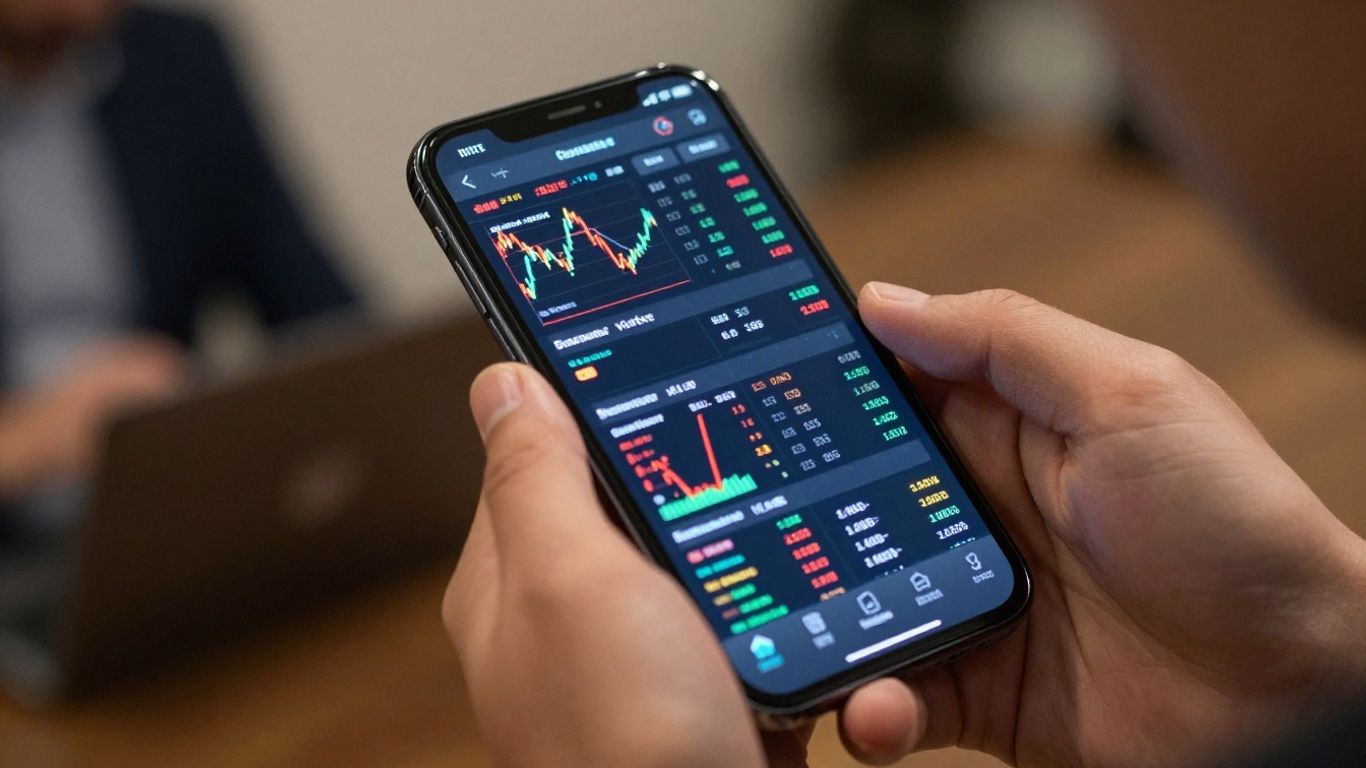
So, you’ve decided to jump into CFD trading on your phone. Awesome! The next step is getting your account set up and loaded with some cash so you can actually start trading. It’s usually pretty straightforward, but there are a few things to keep in mind.
Account Verification and Registration Process
First off, you’ll need to register with a CFD broker. Most brokers have a pretty simple online application form you fill out. They’ll ask for some basic personal details – think your name, address, date of birth, and contact info. Because CFDs are financial products, they also need to verify your identity and assess your trading knowledge. This usually involves uploading some documents, like a driver’s licence or passport for ID, and maybe a utility bill for proof of address. They might also ask you a few questions about your trading experience and financial situation to make sure you understand the risks involved. It’s all about meeting regulatory requirements and making sure you’re aware of what you’re getting into. This verification process is a standard step to protect both you and the broker.
Funding Your Trading Account via Mobile
Once your account is verified, it’s time to add some funds. Most brokers offer a few different ways to do this directly through their mobile app or website. You don’t want to be stuck waiting ages for your money to clear, especially if the market’s doing something interesting!
Here are some common ways to deposit funds:
-
Credit/Debit Cards: Quick and easy, just like any online purchase. You’ll enter your card details, and the funds usually appear in your account pretty fast.
-
Bank Transfers: You can transfer money directly from your bank account. This might take a bit longer, sometimes a business day or two, depending on your bank.
-
E-Wallets: Services like PayPal, Neteller, or Skrill are often available. These are generally super fast for both deposits and withdrawals, making them a popular choice for active traders.
-
PayID: If your broker supports it, PayID can offer a fast and secure way to transfer funds directly from your Australian bank account.
Using E-Wallets, Cards, and Bank Transfers
When you’re choosing how to fund your account, think about speed and convenience. E-wallets are often the quickest way to get your money into your trading account, which is handy if you see a trading opportunity pop up. Cards are also pretty speedy. Bank transfers are reliable but can be a bit slower. It’s worth checking if your broker has any specific limits or fees associated with each deposit method, though most aim to make it as painless as possible. Remember, you can usually withdraw funds back to the same method you used to deposit, which is a good security measure. It’s always a good idea to start with a smaller amount you’re comfortable with, especially when you’re new to trading, and build up as you get more confident. You can find out more about how CFDs work in Australia to get a better grasp of the trading environment.
Managing Trades and Orders via Smartphone
So, you’ve got your CFD trading app fired up on your phone, and you’re ready to get stuck in. It’s pretty wild how much you can do right from your pocket these days, isn’t it? Gone are the days of being chained to a desktop computer. Now, you can place trades, keep an eye on things, and adjust your positions while you’re out and about, maybe even grabbing a flat white.
Placing and Monitoring Orders with Apps
Most trading apps make it pretty straightforward to get your orders in. You’ll typically see a list of available markets, and tapping on one will bring up its details, including current prices. From there, you can usually choose to buy or sell. You’ll need to specify the amount you want to trade and the type of order. The most common ones are market orders (which execute at the best available price right away) and limit orders (which only execute if the price reaches a level you set).
It’s dead easy to keep tabs on what’s happening with your open trades. Your app will usually have a dedicated section showing all your current positions, including how much you’re up or down on each one in real-time. This means you can see the impact of market movements on your portfolio instantly.
Setting Stop Loss and Take Profit on Mobile
This is where things get really handy on a mobile. You can set ‘stop loss’ and ‘take profit’ orders directly when you place your trade, or add them later to an existing position. A stop loss is basically your safety net; it automatically closes your trade if the market moves against you by a certain amount, limiting your potential losses. A take profit order does the opposite – it automatically closes your trade when it reaches a profit level you’ve decided on.
These are super important for managing risk, especially when you’re trading on your phone and might not be glued to the screen 24/7. They help you lock in gains and cut losses without you having to be there to manually intervene.
Handling Leverage and Margin Requirements
When you trade CFDs, you’re often using leverage. This means you can control a larger position with a smaller amount of your own money, known as the margin. Your trading app will show you how much margin is required for a particular trade and how much of your account balance is currently being used as margin.
It’s really important to keep an eye on your margin levels. If the market moves against you and your losses start eating into your margin, you might get a ‘margin call’. This is basically a warning from your broker that you need to add more funds or close some positions to avoid your trades being automatically closed at a loss.
Understanding how leverage and margin work is absolutely key. It’s what allows for potentially bigger profits, but it also amplifies your potential losses. Always know how much margin you’re using and what your stop-loss levels are set to.
Here’s a quick rundown of what you’ll typically see regarding margin:
-
Initial Margin: The amount of money needed to open a leveraged position.
-
Maintenance Margin: The minimum amount of equity required in your account to keep your leveraged positions open.
-
Used Margin: The portion of your account equity currently allocated to open trades.
Keeping track of these figures on your mobile app helps you stay aware of your risk exposure and avoid any nasty surprises. For example, FOREX.com Australia provides access to a wide range of markets, and their platform will show you the margin requirements for each instrument.
Risks and Benefits of Trading CFDs on Your Phone
Trading Contracts for Difference (CFDs) on your smartphone in Australia definitely has its upsides, but it’s not all smooth sailing. You get this amazing flexibility, being able to check the markets and place trades pretty much anywhere, anytime. That’s a big win, especially if you’ve got a busy life.
Advantages of Mobile Trading for Australians
-
Convenience: This is the big one. You can react to market changes instantly, whether you’re on your lunch break or waiting for the bus. No need to be glued to a desktop computer.
-
Accessibility: Most brokers offer user-friendly apps that make it easy to get started, even if you’re new to trading. You can access a wide range of markets, from forex to commodities, all from your pocket.
-
Speed: Mobile platforms are designed for quick actions. You can open and close positions rapidly, which is important in fast-moving markets.
Limitations and Potential Risks on Smartphones
While it’s convenient, there are definitely some downsides to watch out for. The small screen size can sometimes make it harder to analyse charts properly or spot important details. You might miss something crucial if you’re not careful.
-
Distraction: It’s easy to get distracted by notifications or other apps on your phone, which could lead to impulsive trading decisions. A quick check can turn into a full-blown trade before you’ve really thought it through.
-
Technical Glitches: Phone batteries die, internet connections drop out – these things happen. A sudden technical issue could mean you miss a critical trading opportunity or can’t close a trade when you need to.
-
Over-trading: The sheer ease of access can tempt some traders to trade too frequently, often without a solid plan. This can quickly eat into your capital.
Trading CFDs involves a high level of risk. You can lose money rapidly due to leverage. It’s not suitable for everyone, so make sure you understand the risks involved before you start. Always consider if you can afford to lose the money you’re trading with.
Best Practices to Lower Losses When Trading CFDs
To make the most of mobile trading while keeping risks in check, a few habits can make a big difference. First off, always use a demo account before you jump into real money trading. This lets you get a feel for the app and practice your strategies without any financial risk. It’s a great way to learn the ropes. Also, make sure you understand how to use risk management tools like stop-loss orders. These are your best friends for limiting potential losses. Finally, never trade with money you can’t afford to lose. It sounds obvious, but it’s the most important rule in trading, whether you’re on a phone or a computer. For more on getting started safely, check out this guide on how to start CFD trading for beginners in Australia.
Maximising Your Success in Mobile CFD Trading
So, you’ve got the app, you’ve funded your account, and you’re ready to trade CFDs on your phone. That’s great! But how do you actually get good at it, especially when you’re on the go? It’s not just about placing trades; it’s about doing it smartly.
Learning Through Demo Accounts on Apps
Before you even think about risking real money, get friendly with a demo account. Most good trading apps offer them, and they’re basically a practice playground. You get virtual money to trade with, so you can try out different strategies, get a feel for the platform, and see how the market moves without any actual financial risk. It’s like learning to ride a bike with training wheels – you can wobble and fall without getting hurt. Seriously, don’t skip this step. It’s the best way to build confidence and figure out what works for you.
Accessing Market News and Insights On the Go
Markets change fast, and what’s happening overseas can affect your trades right here in Australia. The good news is, most trading apps give you access to news feeds and market analysis directly. You can get alerts for major economic events or read quick summaries of what analysts are saying. This means you’re not trading blind; you’ve got a bit of an idea of what’s going on. It’s handy for keeping up with trends, even if you’re just grabbing a coffee.
Creating Effective Mobile Trading Strategies
Trading without a plan is like driving without a destination. You need a strategy, and it needs to work on your phone. This means keeping things simple. Think about what you want to achieve with each trade – how much profit are you aiming for, and at what point will you cut your losses? Using stop-loss and take-profit orders is a must. It helps manage risk automatically, which is super useful when you can’t be glued to your screen all day. Remember, it’s better to have a simple strategy that you stick to than a complicated one you can’t follow.
When you’re trading on your phone, it’s easy to get caught up in the moment. The quick access and constant updates can make you feel like you need to trade all the time. But often, the best move is to wait for the right opportunity rather than forcing a trade. Patience is key, even when you’re using a small screen.
Here are a few things to keep in mind for your strategy:
-
Trend Following: Look for instruments that are already moving in a clear direction and try to trade with that momentum. It’s often easier to go with the flow than against it.
-
Risk Management: Always decide how much you’re willing to lose on a single trade before you even enter it. Use stop-loss orders to automatically exit a trade if it goes against you.
-
Keep it Simple: Don’t try to use too many indicators or complex analysis on a small screen. Focus on a few key things that you understand well.
Choosing the right CFD broker is vital for trading success in Australia. Top brokers for 2024 offer features for various trading styles, from low costs to advanced tools. CFD trading involves speculating on price movements without owning assets, and it carries significant risk. Key considerations when selecting a broker include regulation, fees, platform usability, and mobile trading options. Australian regulations provide protections like leverage limits. Always trade wisely and understand the market before investing.
So, Can You Trade CFDs on Your Phone in Australia?
Yep, you absolutely can trade CFDs on your mobile phone right here in Australia. We’ve seen that it’s totally legal and regulated, so no need to worry about that. Plus, with all the apps and platforms out there, it’s easier than ever to get set up. Just remember to do your homework first, pick a good, regulated broker, and maybe start with a demo account. Trading CFDs can be a good way to get into the markets, but it’s not without its risks, so always trade smart and only with money you can afford to lose. Happy trading!
Frequently Asked Questions
Is trading CFDs on my phone legal in Australia?
Absolutely! Trading CFDs on your mobile phone is totally legal in Australia. The whole thing is overseen by a group called ASIC, which is like the referee for financial stuff. So, you can definitely get into mobile CFD trading without any worries.
What exactly is a CFD?
Think of a CFD like a bet on whether the price of something, like a share or a currency, will go up or down. You don’t actually own the thing itself, you just trade on the difference in its price. You can make money if the price goes the way you predicted, whether it’s up or down!
Can I lose more money than I put in?
Yeah, that’s a big risk with CFDs, especially when you use something called ‘leverage’. Leverage is like borrowing money from your broker to trade bigger amounts. It can boost your profits, but it can also make your losses much bigger, even more than what you initially put in. That’s why it’s super important to be careful and maybe use tools like stop-loss orders.
What’s the difference between a CFD broker and a trading app?
A CFD broker is the company that actually lets you trade CFDs. They provide the platform and the services. A trading app is just the software on your phone that you use to connect to the broker’s platform. So, you need a broker, and then you use their app to trade.
How do I put money into my trading account on my phone?
Most trading apps make it pretty easy. You can usually deposit money using your debit or credit card, or sometimes through e-wallets like PayPal, or even a direct bank transfer. Just look for the ‘deposit’ or ‘fund account’ option in the app.
Are there any special rules for trading CFDs on my phone?
While you can trade on your phone, the main rules are set by ASIC for all CFD trading, not just mobile. These rules are there to protect you. For example, brokers have to tell you about the risks involved and how leverage works. Always make sure your broker follows these rules.