Key Takeaways
Navigating your financial documentation is vital for maintaining a disciplined approach to the markets. Here are five essential points to keep in mind when reviewing your account activity.
- Regular statements consolidate all trading activity including entries, exits, and fees.
- Monitoring open positions helps you assess exposure and potential capital requirements.
- Transaction history clarifies the financial impact of every buy or sell order.
- Financing costs accumulate overnight and can affect the viability of long-term trades.
- Margin health indicates your account stability and proximity to potential liquidation levels.
Understanding the basics of your CFD statement
Receiving your periodic trading update is the first step in maintaining oversight of your portfolio performance. Many traders find that reviewing these documents in detail helps them stay aligned with their broader investment goals. By examining the structure and content of your reports, you gain clarity on how your activity has evolved over the specified interval.
Identifying core account information
Your statement should clearly display essential contact and account identification details, ensuring you are looking at the correct records. Key elements usually include your account name, unique number, and the designated currency for your base balance. Confirming these details at the start prevents confusion when you are comparing multiple records.
Explaining the reporting period and statement frequency
Statements are typically issued on a monthly basis, though some platforms provide custom date-range snapshots. This reporting window captures all executed trades, deposits, and status changes affecting your capital. It is standard practice to download these documents promptly to ensure you have a clean audit trail for personal review or CFD trading platforms tax purposes.
Key definitions for common CFD terminology
Understanding the jargon is essential for making sense of the data columns presented in your statement. Terms such as ‘margin,’ ‘equity,’ and ‘unrealised P&L’ are standard across the industry, but knowing the specific calculations used by your provider is helpful. Consistent review of these definitions transforms the statement from a wall of numbers into a clear operational record of your market interactions.
Analysing your open positions

Keeping a close watch on your currently active trades is necessary for managing your aggregate risk levels. This section of your statement provides a snapshot of the various instruments you hold and how they are performing in real-time. Whether you are using tools from IG Australia or other providers, understanding your exposure is paramount.
Tracking entry prices and current market rates
The gap between your opening entry point and the current market rate tells you whether a position is moving in your favour. Your statement will list every active trade alongside these two critical figures, allowing you to quickly spot which segments of your portfolio are generating gains. Watching these prices helps you decide if a trade still hits your original investment thesis.
Monitoring unrealised profit and loss
Unrealised values represent the floating gains or losses on positions you currently hold. Because the market is constantly in motion, these numbers fluctuate until you decide to close the trade. Experienced traders monitor these specifically to understand how their account balance has shifted without needing to commit to a permanent exit.
Understanding leverage and margin requirements per position
Leverage allows you to control larger positions with smaller amounts of initial capital, but it also increases the speed at which your account balance changes. Each open trade requires a specific amount of margin, which is the locked portion of your cash acting as collateral. You need to keep an eye on these requirements to ensure that market volatility does not push your account towards a negative balance status.
Breaking down transaction history
Distinguishing between buy and sell orders
A comprehensive trade log categorises each order based on whether you entered a long or short position. Buying involves expecting price appreciation, while selling functions on the expectation of a decline. Reviewing these labels ensures you verify exactly how you intended to commit your capital during volatile market windows.
Recording commission and transaction fees
Every trade incurs costs that are deducted from your balance, making it important to track these expenses alongside your gross profit or loss performance. These service charges, which are clearly itemised in your statement, consist of the following common elements:
- Fixed commission charges per unit traded
- Spreads impacting the entry or exit price
- Platform access or data delivery fees
Tracking these costs annually allows you to evaluate your trading style’s overall efficiency. When you account for every charge, you get a much more accurate picture of your net profitability versus raw market gains.
Accounting for dividend adjustments and corporate actions
If you hold positions in stocks or indices, your statement might show adjustments related to company dividends or corporate restructuring. These entries are necessary to balance the books between you and your provider due to your exposure to the asset’s price. Seeing these arrive in your statement as credits or debits is quite normal for active positions on index components.
Evaluating financing and holding costs
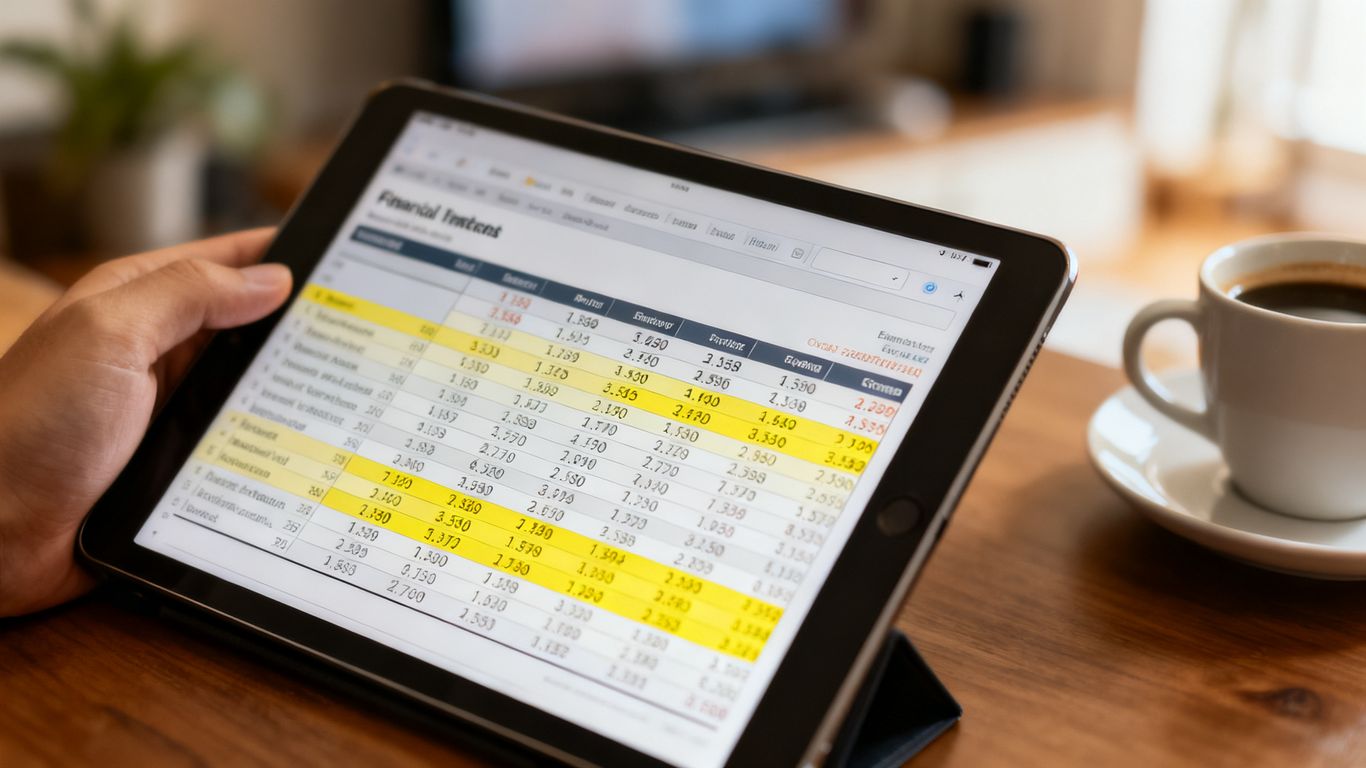
If you hold a position overnight, you are essentially borrowing capital to maintain that exposure, which incurs a cost. These figures are listed prominently in any professional-grade document, showing you the exact financial burden of extending your trade timeline. Learning to interpret these inputs from contracts for difference providers helps you manage costs effectively.
How daily overnight funding is calculated
Funding calculations depend on the size of your position and the prevailing interest rates applied to that specific instrument. This amount is usually calculated on what is termed the mid-market price, ensuring that the cost reflects current borrowing conditions rather than a static percentage. The daily charge might seem small, but these costs accumulate over weeks of stagnant market movement.
Locating negative and positive swap rates
Swap rates can act as either a cost or a credit to your account, depending on your trade direction and the currency interest rate differentials. A positive swap rate actually adds a small profit to your account for holding the position, whereas a negative rate functions as a daily fee. The table below outlines how these rates tend to impact different categories of portfolio exposure:
| Position Type | Rate Impact | Cost/Benefit | 100-Day Effect |
|---|---|---|---|
| Long Index | Negative | Fee | Moderate Decrease |
| Short Currency | Positive | Credit | Minor Increase |
| Long Commodity | Negative | Fee | Significant Decrease |
By staying aware of whether your positions attract fees or credits, you can better select assets that align with your desired holding duration. This awareness ensures you are not blind-sided by minor account balance drifts that occur during non-trading hours.
Managing the impact of holding costs on long-term trades
For those who prefer keeping trades open over several weeks or months, these financing costs become a major component of your strategy. Long-term success often depends on whether your expected asset appreciation outpaces these persistent daily deductions from your main account equity.
Reviewing account equity and margin health
Checking available margin versus used margin
Available margin is the cushion you possess for opening new positions, while used margin is the capital tied up in existing deals. Keeping a healthy gap between these two figures is the hallmark of a resilient portfolio management strategy. When the available margin drops too low, you lose the ability to hedge your positions against sudden negative market shifts.
Identifying margin call thresholds
Thresholds are the specific account balance levels at which your provider may begin to close your positions to mitigate further risk. Knowing these limits is crucial, as an unexpected move against your portfolio can trigger a liquidation event if you are over-leveraged. Most reliable trading platforms provide automated notifications, but you should still calculate these triggers independently.
Calculating net equity and balance fluctuations
Net equity is the true measure of your account worth, combining your cash balance with the current net status of your open trades. Fluctuations in net equity happen every time the market prices move, reflecting your real-world progress. Viewing this as a trend line rather than a static number allows you to adjust your risk management tactics as your available cash fluctuates.
Tax and regulatory reporting for Australian traders
Differentiating between realised and unrealised gains for tax purposes
Australian tax obligations focus primarily on realised gains and losses, which occur only when you technically exit a position. While your statement shows both types of figures, HMRC-style reporting or local ATO requirements will usually require you to report the actualised outcome of each closed tax-year transaction. Always consult a tax professional to understand which specific columns in your report apply to your income tax obligations.
Using statements for ATO record-keeping requirements
The Australian Taxation Office requires that you keep meticulous records of your trading activity to support the figures reported in your tax returns. Your monthly statements serve as prime documentation for this purpose, providing proof of entry prices, exit points, and transaction fees. Maintaining a digital archive of these reports is a simple professional habit that simplifies your annual tax preparation.
Understanding Australian CFD regulatory disclosure standards
Australian regulation is designed to ensure that you have full visibility into the costs, risks, and characteristics of the financial products you use. Every statement you receive should be compliant with these transparency requirements, putting all pertinent information at your fingertips. If you ever feel that your report lacks clarity, reach out to your provider’s support team; transparency is not just a standard, it is a legal requirement for firms managing CFD agreements under local law.
Conclusion
Learning how to read a CFD trading statement is a foundational skill that empowers you to take full control of your investment journey. By tracking your open positions, understanding the fine details of financing costs, and maintaining a clear record of transaction histories, you establish a professional approach to managing your market exposure. Use these documents as your primary tool for validating your performance, calculating your tax position, and ensuring your margin levels remain healthy regardless of market volatility.
Frequently Asked Questions
Why is my account balance different from my net equity?
The account balance represents your cash on hand, whereas net equity factors in the gains or losses of your current open positions. As market prices shift, your equity fluctuates even if no trades are closed.
How often should I download my trading statements?
It is best practice to download your statements every month to ensure you have a complete paper trail for record-keeping. Some traders also save records for specific periods of high volatility or intense activity to track learning outcomes.
Are financing costs deducted every single day?
Yes, these costs are typically applied overnight as long as a position remains open. You can usually see these daily deductions itemised clearly in the transaction history section of your statement.
What happens if my available margin hits zero?
If your available margin reaches zero, you cannot open any new positions. If the market continues to work against your existing trades, you may reach a margin call threshold that forces the closure of your open contracts.
Should I include unrealised gains in my tax return?
In most cases, for Australian tax purposes, you calculate profits based on realised gains once a transaction is closed. You should discuss your specific situation with a registered tax agent to ensure total compliance with regulations.
What do dividend adjustments actually mean for me?
If you hold a CFD on a stock, you may be credited or debited the dividend value to account for the price adjustment on the underlying share. These ensure that the economic position of your CFD remains aligned with the equity asset.
Where can I find my trade entry and exit prices?
You can find these details in the open positions or transaction history sections of your statement. Ensure you identify which column refers to the buy price and which refers to the sell price for each order.